


Racism has no basis in genetics.
In this semester we learned about the term "Race." In actuality there are no races of people. genetically we are all the same and the concept of race is in and of itself, skewed. A common example of a characteristic which we identify as race is one's skin color. In actuality, there are no differences between a person with dark skin or light colored skin. The person with darker skin has merely spent more time out in the sun whereas the other, lighter, person has not. It has been genetically shown that we are all genetically 99.9% the same. The concept of race justified social inequalities as normal, natural things. That misconception of race has led to the problems of racism faced in the world today, when we all know that humans, are all simply, humans.
Places on the Earth
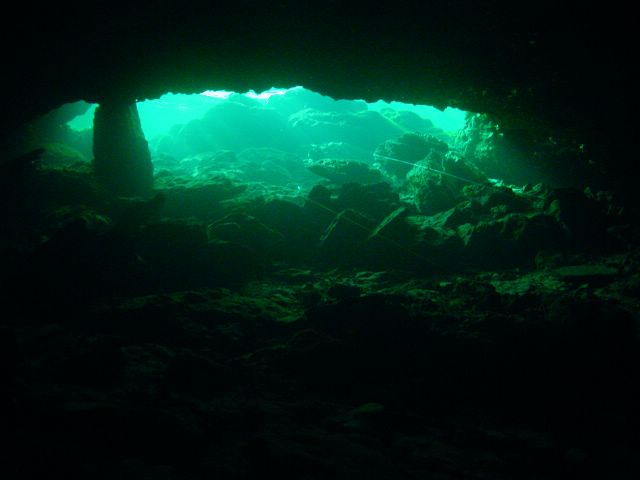
Certain areas of this earth are truly different than the rest of the world. Sure, every little acre of land is unique compared to the last, but some places defy the stretches of human imagination. Places like Mt. Everest, the Great Coral Reef, and the Victoria Falls change the human perspective on the wide world in which we live. These extremes of nature beg us to explore them, to conquer them. No greater example of this urge to conquer the wild is that of the Mt. Everest climbers. These brave men and women go against the hellish frozen conditions to scale the mountain to say they were on top of the world. Many die, and many lose limbs to the freezing cold winds and conditions. Everest is unique and so are all the mountains in the Himalayans. The Himalayans are ironic in their natural wonder and beauty but if ventured into by an unknowing soul, can seem very deadly. The south pole has also drawn the allure of many an adventurer. Roald Amundsen was the first person to reach it in1911. The poles are an example of one of Earth's extreme places that fascinates the human imagination to explore them. Many places on earth are not as well known, yet are equally beautiful and inspire the human urge to explore. Places like The Blue Hole in Santa Rosa, New Mexico and the lush dense trees of the southern Oregon tropical forests. The Earth is home to a whole slew of fascinating places and the more one travels the more one discovers them.

Cultures of the World's Societies
As I have come to realize, the cultures of the world are truly something to rejoice in. If all humans held the same series of beliefs and norms we would have a dull world. This year I have further increased my knowledge of the many peoples who inhabit this earth. I studied Somalia and learned of a people used to conflict but still keep their unique culture alive. this crosscoads of the world place lead to an example of how many cultures fuse into one beautiful mixture. The Somali have an African like climate and appearance, a middle eastern set of values/ religion, and even a mix of Indian and Southern Asia foods and spices. I have realized that each culture begs for my knowledge and intrigue.Through the course of the year, i have compared Scotland to India and how cultures are different but all boil down to one thing, the human element in the. Culture is a way of life for a group of people and instead of stereotyping one culture to every person in that society one can observe how a culture is fitted into one person's life. An example? Look at American and European regards to marriage. A couple must love one another and go through courtship, dating, etc... We accept this as a nor. In India or Afghanistan marriages are often arranged, not to say that this is wrong simply a way of life. American marriages have a high divorce rate but arranged marriages often do not. All in all, one can see that little cultural differences are what makes people and the world unique. Japan's concept of politeness and gentility is quite different than ours. To close one's eyes in Japan is to be thinking, not sleeping. Cultre is something to embrace and love, to explore and delve into. Culture is what makes us unique.


No comments:
Post a Comment